
Bolivia is home to several natural and artificial attractions which travelers flock to from all around the world. Bolivia has world famous attractions such as Salar de Uyuni (Salt Flats of Uyuni), the Witch Market in La Paz, and the city of Potosi. Bolivia is known for having activities for travelers of all types. Travelers can visit cultural museums which reveal the history of the ancient inhabitants of Bolivia, cycle along the “World’s Most Dangerous Road” and visit the vast Salt Flats of Uyuni. This Bolivia packing list contains a list of recommended items and travel gear to take on your trip to La Paz, Bolivia and the highland areas of Bolivia.
Climate In The Highland Areas of Bolvia and La Paz:
Bolivia’s climate will effect almost every aspect of what you should pack when visiting. La Paz is the capital city of Bolivia and is 3,640 m (11,942 ft) above sea level. For the first few days in the high altitude area, your body may take time to adjust. You may feel some symptoms of nausea, headaches and dizziness. For more information on adjusting to La Paz’s elevation, check out my 5 Tips for Adjusting to High Altitude.
Bolivia is in the southern hemisphere and in the summer (1 December to 28 February), however, due to the elevation of the highlands of Bolivia, the temperature barely varies.
Average Temperature in La Paz, Bolivia:

Photo Credit: www.worldweatheronline.com
La Paz’s temperature ranges between 62°F to 25°F, so it is important to pack layers and other warm clothes. Other areas in the highlands of Bolivia, such as Uyuni and Potosi have similar climates to La Paz. During the afternoon, it is usually extremely bright outside and can get quite warm while you are in the sun. At night, the temperature can fall below freezing, so you will definitely need to take your warmest clothes with you.
Average Rainfall in La Paz, Bolivia:

Photo Credit: www.worldweatheronline.com
It rains often in La Paz, primarily in the summer months. You would be best off bringing a rain coat or an umbrella when traveling to Bolivia.
Backpacks/Luggage:

Depending on your style of travel, you may want to bring either a suitcase or a backpack. I happened to pack relatively light, so I only needed a backpack. If you are looking for a suitcase to bring on your trip to Bolivia, you may want to check out the eBags EXO 2.0 Hardside Spinner, or the Samsonite LIFT Spinner. Certain parts of the highlands of Bolivia are extremely rugged and untouched, so I would highly recommend bringing just a backpack.
Kelty Redwing 50 – The Redwing 50 was the primary backpack that I used while traveling in Bolivia. The Redwing 50 is a 50-liter capacity internal frame travel backpack. Unlike most other travel backpacks, the Redwing isn’t obnoxiously large and doesn’t make you look too much like a backpacker. Also, the neutral colors of the backpack don’t attract much attention. The pack barely meets airline carry on requirements, so I had to be careful not to over pack it. You can read my full Kelty Redwing 50 review here.
You might also want to check out the Kelty Flyway and the Osprey Talon series, which are both travel backpacks that I’ve heard other travelers rave about.

REI Flash 18 – In addition to my Kelty Redwing 50, I also brought the REI Flash 18, which is an 18-liter daypack. Whenever I left our hotel to explore Bolivia for the day, I would take my 18-liter pack with some essentials such as a water bottle, camera, cash and snacks. My primary backpack would be left at the apartment or hotel. When not in use, I would pack the Flash 18 into my Redwing 50. The pack weighs less than a pound and can be rolled up to take up less space, which makes it a good choice for being a secondary backpack. See my review of the Flash 18 here.
Clothing:

This a list of clothing that I packed when for visiting Bolivia for a month:
*Note: Depending on your needs and activities, you may need to bring more or less clothes.
1 Pair of Jeans – Jeans are perfect to wear in Bolivia since they are warm and versatile. Jeans can be heavy and take up lots of space in your suitcase, but their versatility and durability makes up for the extra weight. Wear your jeans when flying so you don’t have to carry extra weight.
1 Pair of Convertible Pants – Pants that convert into shorts are especially useful in Bolivia because it can be extremely cold at night, but warm in the sun during the day. The temperature in Bolivia changes dramatically meaning pants that can change into shorts are helpful. Some convertible pants such as the prAna Stretch Zion Convertible Pants are water resistant and UV protective. Convertible pants are also much easier to hand wash than jeans.
2 Pair of Athletic Shorts/Shorts
3 T-Shirts – I prefer for my travel t-shirts to be made of materials like polyester rather than cotton. Polyester is usually lighter, easier to hand wash and faster drying. I’ve noticed that it’s hard to find drying machines in South America; so quick drying shirts have an upper hand. I would highly recommend are the Patagonia Capilene 1 Silkweight T-Shirt, which is quick drying, UV protective and odor resistant.
1 Polo Shirt- For dinner in certain restaurants.
2 Long Sleeve Shirts – I brought two long sleeve shirts, one being the Columbia Baselayer Midweight Mock Neck Long Sleeve, which I wore often in Bolivia. It is warm while being lightweight, which was helpful while traveling in Bolivia.
1 Rain Jacket – To protect yourself from the rain, you may want to bring a rain jacket. Waterproof jackets with waterproof and breathable technologies such as GORE-TEX, are fit for serious outdoors enthusiasts and can handle the most extreme conditions. They can be expensive, but worth are the cost if you wear them often. If you aren’t planning on using your rain jacket often, or if you are visiting Bolivia during the dry season, you can just bring a poncho.
1 Jacket – It can go below freezing in Bolivia, so you should definitely bring a jacket with you. I wore the First Ascent MicroTherm Down Hoodie, which is extremely lightweight and moderately warm. Since it is filled with down, it is both lightweight and warm, but a bit expensive and doesn’t do well in the rain.
Undergarments – amount depends on the length of your trip, though I wouldn’t bring more than 7 pairs of underwear.
4 Pairs of Socks – socks are easy to hand wash, so you probably won’t need to bring too many. I brought 3 pairs of below ankle socks, and 1 pair of long warm merino wool socks for colder weather. You can read my review of my merino wool socks here.
1 Beanie/Buff – I purchased my beanie while in Bolivia. You can also buy gloves in Bolivia.
Save space in your backpack because Bolivia is a great place to purchase handmade wool goods. The locals sell goods such as scarves, beanies (Chullos) and gloves out of llama or alpaca wool. Near almost every tourist attraction, there will be locals selling their souvenirs, which are usually very cheap (for tourists). I purchased a Chullo, which is a traditional type of beanie made of llama wool for around USD $3. You can read my review of the chullo beanie here.
Footwear:
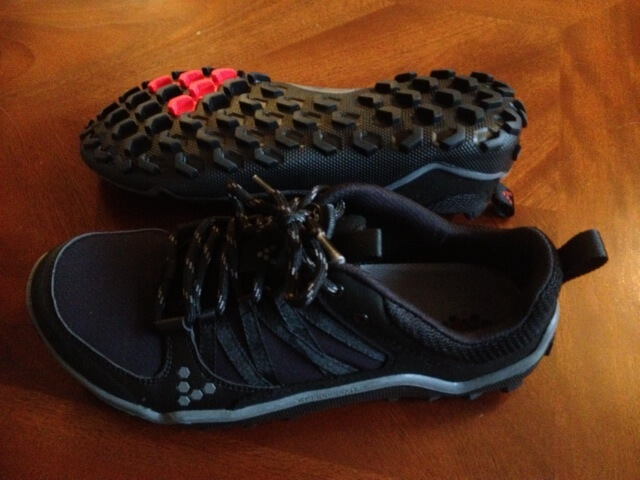
1 Pair of Sneakers – I wore a pair of Vivobarefoot trail running shoes as my ‘go-to’ pair of shoes in Bolivia. They are lightweight, comfortable and have good traction. If you are planning on staying in Bolivia for a long time during the winter, you may want to bring a warmer pair of shoes.
1 Pair of Sandals – I also brought a pair of Adidas Superstar Slides. They are really comfortable and great for wearing casually.
Toiletries and Hygiene:
Travel Tips: Most toilets in Bolivia can clog if you flush toilet paper in them.
Soap
Shampoo
Toothbrush
Toothpaste
Sunscreen
Etc. – See the general packing list for a full list of toiletries you may or may not need to bring.
Electronics:

Bolivia uses 220-volt outlets, while the voltage is 120 in the US. Some chargers, such as laptop chargers support 220-volt outlets, however you should purchase a voltage converter to prevent your chargers from burning or frying. Also, the charger prongs of American electronics won’t fit in the Bolivian outlets. This is a voltage converter review that I wrote for the voltage converter that I used while in South America.
Though Bolivia isn’t an extremely dangerous place, so be sure to be watchful over your electronics and valuables. Just in case, I tried to use my laptop and other electronics only in areas such as in our hotel or other areas which I knew were safe.
iPhone and iPhone Charger – before leaving for Bolivia, you may want to purchase a durable case for your smartphone. Also, remember to download some apps, such as Google Translate or some games before you leave.
MacBook Air and Charger – While in Bolivia, I still needed to do some work, meaning I had to use my computer pretty often. Thankfully, my 13-inch MacBook air wasn’t too heavy or bulky. The only downside to the MacBook Air is that it can be a bit flashy due to its sliver body. There weren’t too many places in Bolivia that had Wifi, however the places that did were usually extremely slow.
External Battery – To keep my electronics powered up on the go, I brought the Anker External Battery, which can recharge an iPhone 4-5 times and an iPad 2 once.
Flashlight – just in case there is an outage, or in an emergency.
Voltage Converter
Hard Drive – for backing up images.
Other:
Passport
Money – Bolivia uses the Bolivian Boliviano. One USD is equal to around 7 Bolivianos.
Money Belt – Money belts are extremely helpful when traveling around Bolivia because you won’t need to fear pickpockets. Money belts are great for keeping large denomination bills just in case. My money belt, the Travelon Money Belt, can hold about 8-12 bills.
Sunglasses – Bolivia can be really sunny, so you would probably want to bring a pair of sunglasses. While in the highlands of Bolivia, I was amazed by the intensity of the sun light. It was the dry season and there were barely any clouds, and I could probably get sun burnt easily.
Camera – I’m not a photographer, so my only camera was the one on my phone. If you are serious about taking pictures, you may want to consider taking a DSLR camera. Remember to get some good shots while at the Salt Flats of Uyuni.
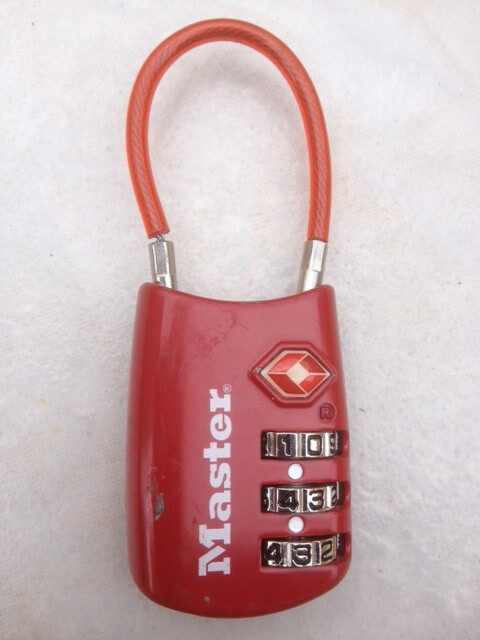
Lock – Though all of my bags were carry-on, I still opted to lock the primary compartment of my backpack. I used the Master Lock TSA Luggage Lock.
Watch – I took my Timex Ironman Sleek watch.
Some links found in this page are affiliate links, meaning that we get a commission if you decide to make a purchase, at no additional cost to you. We would never endorse a product or service we didn’t actually use and believe in.
Related: